
Unlocking the Power of the Microbiome Revolution for Optimal Poultry Health

The health of poultry flocks has always been a critical factor in the success of poultry farming. Recent advances in science have revealed a powerful new ally in maintaining and improving poultry health: the microbiome. This complex community of microorganisms living inside birds plays a crucial role in digestion, immunity, and disease resistance. Understanding and managing the poultry microbiome is transforming how farmers approach flock health, leading to stronger birds and better production outcomes.

What Is the Poultry Microbiome?
The poultry microbiome refers to the trillions of bacteria, fungi, viruses, and other microbes that live in the digestive tract of chickens and other birds. These microorganisms form a complex ecosystem that interacts closely with the bird’s body. They help break down feed, produce essential nutrients, and protect against harmful pathogens.
A balanced microbiome supports digestion and nutrient absorption, which directly impacts growth rates and feed efficiency. It also plays a key role in the immune system by training the bird’s defenses to recognize and fight infections.
Why the Microbiome Matters More Than Ever
Traditional poultry health management has focused on vaccines, antibiotics, and biosecurity measures. While these remain important, overuse of antibiotics has led to resistance issues and concerns about food safety. The microbiome offers a natural way to support bird health without relying heavily on drugs.
Research shows that birds with a diverse and balanced gut microbiome are less likely to suffer from common diseases such as necrotic enteritis and coccidiosis. They also recover faster from stressors like transport or environmental changes.
Farmers who manage the microbiome effectively can expect:
Improved feed conversion ratios
Lower mortality rates
Reduced need for antibiotics
Enhanced overall flock performance
How to Support a Healthy Microbiome in Poultry
Managing the microbiome starts with understanding the factors that influence it. Diet, environment, and management practices all play a role.
Feed and Nutrition
Feed is the primary source of nutrients for both the bird and its microbiome. Including prebiotics and probiotics in feed can promote beneficial bacteria growth. Prebiotics are non-digestible fibers that feed good microbes, while probiotics are live beneficial bacteria added directly.
Examples of effective feed additives include:
Mannan-oligosaccharides (MOS): Support beneficial bacteria and reduce harmful pathogens
Lactobacillus species: Common probiotics that improve gut health
Enzymes: Help break down complex feed components, making nutrients more available
Environmental Management
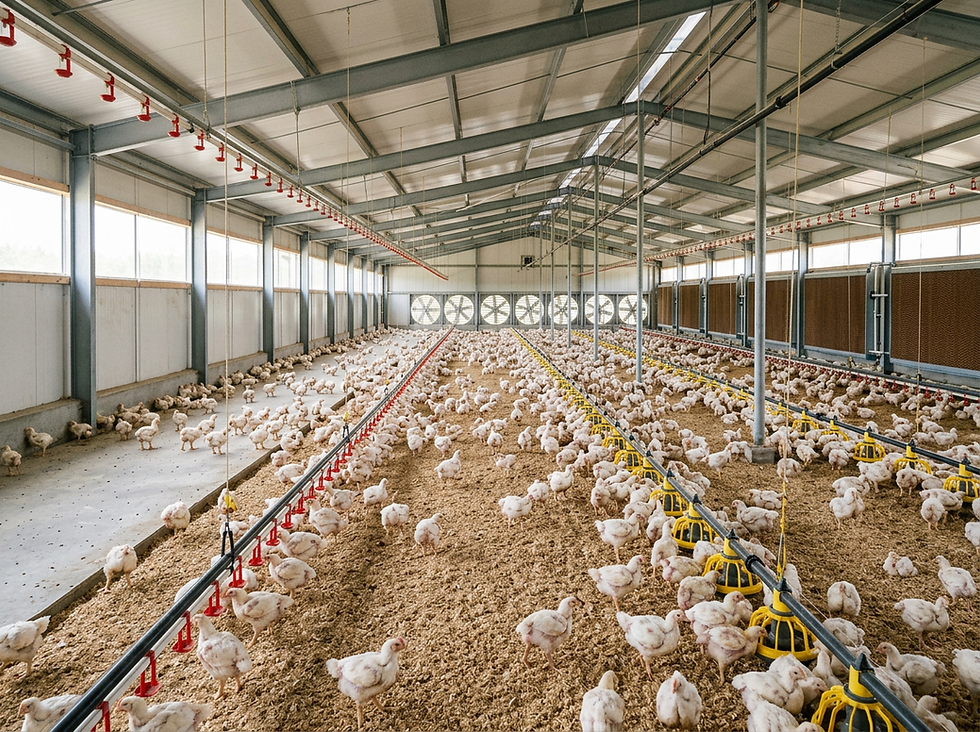
Clean, dry housing reduces the risk of harmful bacteria overwhelming the microbiome. Proper ventilation and litter management also help maintain a stable microbial environment.
Stress negatively impacts the microbiome, so minimizing overcrowding and sudden changes in temperature or feed is essential.
Early Life Interventions
The microbiome develops rapidly after hatching. Providing chicks with access to beneficial microbes early on can set the stage for lifelong health. Some hatcheries spray probiotics on chicks or add them to drinking water during the first days.
Real-World Success Stories
Several poultry producers have reported significant improvements after adopting microbiome-focused strategies. For example, a broiler farm in the Midwest introduced a probiotic supplement combined with improved litter management. Over six months, they saw a 10% improvement in feed conversion and a 15% reduction in mortality.
Another case involved a layer operation that switched to a feed containing prebiotics and enzymes. The flock showed better egg production rates and fewer digestive issues.
These examples highlight how practical microbiome management can deliver measurable benefits.

Challenges and Considerations
While the microbiome offers great promise, it is not a one-size-fits-all solution. Each flock has a unique microbial profile influenced by genetics, location, and management. Testing and monitoring the microbiome can help tailor interventions.
Also, microbiome research is still evolving. Some products on the market may not have strong scientific backing, so choosing supplements with proven efficacy is important.
Farmers should work with veterinarians and nutritionists to develop microbiome strategies that fit their specific conditions.
The Future of Poultry Health
The microbiome revolution is reshaping poultry health management. As research advances, new tools like microbiome sequencing and targeted microbial therapies will become more accessible. These innovations will allow farmers to precisely monitor and adjust the microbial balance for optimal bird health.
By embracing the microbiome, poultry producers can reduce reliance on antibiotics, improve animal welfare, and increase productivity sustainably.
Supporting the poultry microbiome is a practical, science-backed way to improve flock health and farm profitability. Farmers who invest in understanding and managing this hidden ecosystem will gain stronger, healthier birds and a more resilient operation. The next step is to explore microbiome-friendly feed options and environmental practices tailored to your flock’s needs.


Comments