
Understanding Sudden Mortality Spikes in Broiler Production Through Effective Investigation Protocols

Sudden mortality spikes in broiler production can cause significant economic losses and disrupt farm operations. When birds start dying unexpectedly, it signals an urgent need for a thorough investigation to identify the cause and prevent further losses. This post outlines a clear, step-by-step protocol to investigate sudden mortality spikes in broiler flocks, helping producers respond quickly and effectively.

Recognizing the Problem Early
The first step in managing sudden mortality is early detection. Mortality rates in broiler production typically follow a predictable pattern. A sudden increase beyond the expected range should raise immediate concern.
Key signs to watch for:
Sharp rise in daily mortality compared to previous days
Birds showing unusual behavior such as lethargy, gasping, or uncoordinated movement
Visible signs of distress or illness in multiple birds
Changes in feed or water intake
Monitoring daily mortality and bird behavior closely allows farm managers to act before losses escalate.
Step 1: Gather Preliminary Information
Before entering the broiler house, collect background information to guide the investigation.
Mortality records: Review daily mortality logs for trends or spikes.
Environmental data: Check temperature, humidity, ventilation, and lighting conditions.
Feed and water: Confirm recent changes in feed type, supplier, or water source.
Vaccination and medication history: Note recent treatments or vaccinations.
Recent events: Identify any unusual occurrences such as power outages, equipment failures, or personnel changes.
This information helps narrow down potential causes and focuses the investigation.
Step 2: Conduct a Visual Inspection
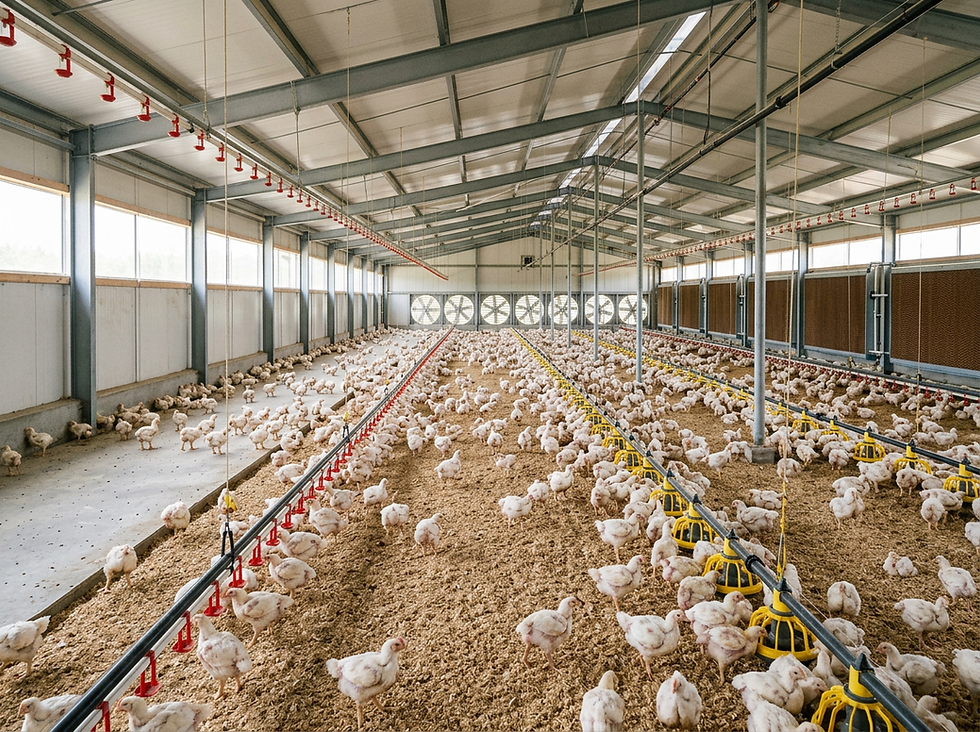
Walk through the affected broiler house and observe the flock carefully.
Look for dead or sick birds and note their location.
Check for signs of injury, trauma, or disease symptoms such as swollen joints, respiratory distress, or diarrhea.
Inspect feeders and drinkers for cleanliness and functionality.
Assess litter condition for moisture, ammonia levels, and presence of mold or pests.
Evaluate ventilation systems for proper airflow.
Document all observations with photos or notes to support further analysis.
Step 3: Collect Samples for Laboratory Testing
Laboratory analysis is essential to identify infectious agents or toxins causing mortality.
Samples to collect:
Dead birds: Select freshly dead birds for necropsy.
Swabs: Take tracheal and cloacal swabs for bacterial and viral testing.
Feed and water: Collect samples to test for contamination or toxins.
Litter: Sample litter for microbial analysis.
Handle samples carefully to avoid contamination and send them promptly to a qualified veterinary diagnostic lab.
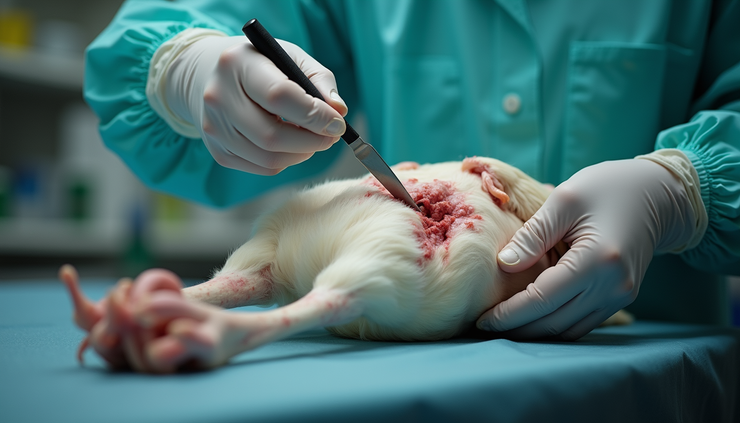
Step 4: Perform Necropsy and Clinical Examination
A detailed necropsy of dead birds reveals internal signs of disease or injury.
Examine organs such as liver, lungs, heart, and intestines.
Look for lesions, hemorrhages, or abnormal fluid accumulation.
Identify parasites or foreign bodies.
Note any abnormalities in the respiratory or digestive systems.
Veterinarians or trained personnel should perform necropsies to ensure accurate findings.
Step 5: Analyze Environmental and Management Factors
Environmental stress and management practices often contribute to mortality spikes.
Check ventilation rates and air quality; poor ventilation can cause respiratory problems.
Review stocking density; overcrowding increases stress and disease spread.
Assess feed quality and storage conditions; spoiled feed can cause toxicity.
Evaluate water quality and delivery systems for contamination or blockages.
Consider biosecurity measures to prevent introduction of pathogens.
Adjusting these factors can reduce mortality and improve flock health.
Step 6: Identify the Cause and Implement Control Measures
Based on the collected data and lab results, determine the root cause of the mortality spike.
Common causes include:
Infectious diseases (e.g., coccidiosis, avian influenza, bacterial infections)
Environmental stress (heat, cold, poor ventilation)
Nutritional deficiencies or feed contamination
Toxic exposure (mycotoxins, chemicals)
Management errors (overcrowding, poor biosecurity)
Once identified, take immediate action:
Isolate affected birds or houses to prevent spread.
Treat with appropriate medications or vaccines as advised by a veterinarian.
Correct environmental or management issues.
Improve sanitation and biosecurity protocols.
Step 7: Monitor and Document Outcomes
After interventions, continue monitoring mortality rates and bird health closely.
Keep detailed records of treatments and changes made.
Track mortality trends to assess effectiveness.
Adjust protocols as needed based on ongoing observations.
Documentation helps refine future responses and supports continuous improvement.
Practical Example
A broiler farm experienced a sudden mortality spike of 5% in one week, far above the usual 0.5%. The investigation revealed:
Poor ventilation due to a broken fan
High ammonia levels causing respiratory distress
Necropsy showed lung congestion and bacterial infection
The farm repaired ventilation, improved litter management, and administered antibiotics under veterinary guidance. Mortality returned to normal within 10 days.
Final Thoughts
Investigating sudden mortality spikes in broiler production requires a systematic approach combining observation, data collection, laboratory testing, and management review. Acting quickly and following a clear protocol can save flocks and reduce financial losses. Producers should maintain detailed records and work closely with veterinarians to respond effectively.


Comments