
Understanding New Transmission Patterns of Avian Influenza H5/H7 and Their Impact on Farm-Level Risk

Avian Influenza H5 and H7 strains have long posed a threat to poultry farms worldwide. Recent shifts in how these viruses spread have raised concerns among farmers, veterinarians, and public health officials. Understanding these new transmission patterns is essential for managing risks at the farm level and protecting both animal and human health.

How Avian Influenza H5/H7 Spreads
Traditionally, avian influenza viruses spread through direct contact between infected and healthy birds, contaminated equipment, and farm workers. Migratory wild birds often act as carriers, introducing the virus to domestic flocks. However, recent outbreaks have revealed new ways the virus can move, increasing the challenge of controlling its spread.
Airborne Transmission and Environmental Persistence
Studies now show that H5 and H7 viruses can survive longer in the environment than previously thought. This means virus particles can linger in dust, water, and soil around farms. Airborne transmission through dust particles or aerosols has become a more significant factor, especially in densely populated poultry houses.
This change means farms near infected sites face risks even without direct contact between birds. Wind can carry virus particles over short distances, contaminating neighboring farms or wild bird habitats.
Role of Small Mammals and Insects
Recent research has identified small mammals such as rodents and insects as potential mechanical carriers of the virus. These animals can move between infected and uninfected areas, carrying virus particles on their bodies or in droppings. This adds complexity to biosecurity measures, as controlling these vectors requires more than just managing bird populations.
Farm-Level Risk Factors
Understanding how these new transmission routes affect farm risk helps farmers prioritize prevention strategies. Several factors increase the likelihood of an outbreak on a farm:
Farm Density
Farms located close to others, especially in regions with many poultry operations, face higher risk due to easier virus spread through air and animal vectors.
Biosecurity Practices
Farms with weak biosecurity measures, such as poor sanitation, unrestricted visitor access, or inadequate pest control, are more vulnerable.
Type of Poultry Housing
Open or free-range systems expose birds to wild birds and environmental contamination more than fully enclosed houses.
Water Sources
Shared or untreated water sources can harbor the virus, especially if contaminated by wild birds.
Case Example: Outbreak in a Mixed Housing Region
In a recent outbreak in Southeast Asia, farms with mixed housing types—both enclosed and free-range—experienced rapid virus spread. The virus moved from free-range flocks exposed to wild birds to enclosed flocks through contaminated equipment and airborne particles. Farms that implemented strict biosecurity and pest control limited losses, while others suffered severe outbreaks.
Practical Steps to Reduce Farm-Level Risk
Farmers can take several actions to reduce the risk of infection and limit the impact of avian influenza:
Enhance Biosecurity
Limit farm access, disinfect equipment and vehicles regularly, and ensure workers follow hygiene protocols.
Control Pests and Rodents
Implement pest control programs to reduce the presence of small mammals and insects that may carry the virus.
Manage Water Sources
Use treated or closed water systems to prevent contamination from wild birds.
Improve Housing Design
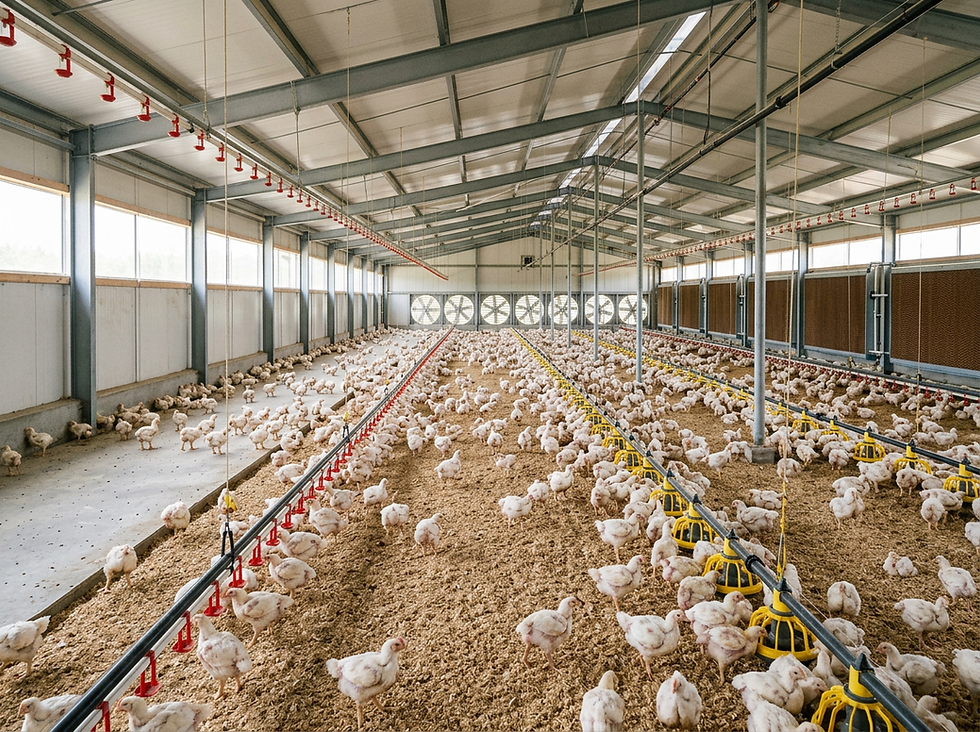
Consider fully enclosed housing with filtered ventilation to reduce airborne virus entry.
Monitor and Report
Regularly check flocks for signs of illness and report suspicious cases to veterinary authorities promptly.

The Importance of Early Detection and Response
Early detection of avian influenza is critical to controlling outbreaks. Farms should establish routine health monitoring and work closely with veterinarians. Rapid response plans, including quarantine and culling protocols, help contain the virus before it spreads widely.
Government agencies also play a role by providing surveillance data and supporting farmers with resources and guidance. Collaboration between farms, local authorities, and wildlife experts improves understanding of virus movement and helps develop targeted control measures.
Looking Ahead: Adapting to Changing Risks
The evolving transmission patterns of H5 and H7 avian influenza require ongoing vigilance. Farms must adapt their practices to address new challenges, including environmental persistence and vector control. Investing in biosecurity, infrastructure, and education will strengthen resilience against future outbreaks.
Farmers should stay informed about the latest research and government recommendations. Sharing experiences and strategies within farming communities also supports collective risk reduction.
Understanding how avian influenza H5 and H7 viruses spread in new ways helps farmers protect their flocks and livelihoods. By focusing on biosecurity, pest control, and early detection, farms can reduce the risk of infection and respond effectively when outbreaks occur. Staying proactive and informed is the best defense against this persistent threat.


Comments