
Top Strategies for Ensuring Hatchery Biosecurity and Optimal Chick Quality

Ensuring hatchery biosecurity and chick quality is essential for poultry producers aiming to maintain healthy flocks and maximize productivity. Disease outbreaks and poor chick quality can lead to significant economic losses and affect animal welfare. This post explores practical strategies to protect hatcheries from contamination and improve the quality of chicks from incubation to delivery.

Understanding Hatchery Biosecurity
Biosecurity refers to the measures taken to prevent the introduction and spread of infectious diseases within a hatchery. Hatcheries are vulnerable to pathogens due to the high density of eggs and chicks in confined spaces. Effective biosecurity reduces the risk of contamination from equipment, personnel, and the environment.
Key Biosecurity Measures
Controlled Access: Limit entry to essential personnel only. Use footbaths, hand sanitizers, and protective clothing at entry points.
Sanitation Protocols: Regularly clean and disinfect incubators, hatchers, trays, and work surfaces. Use approved disinfectants effective against common poultry pathogens.
Pest Control: Implement measures to control rodents, insects, and wild birds that can carry diseases.
Egg Handling: Collect eggs frequently and store them at proper temperatures to reduce bacterial growth.
Waste Management: Remove hatch debris and waste promptly to prevent pathogen buildup.
By following these steps, hatcheries can create a safer environment that minimizes disease risks.
Maintaining Optimal Environmental Conditions
Environmental factors inside the hatchery directly affect chick development and quality. Temperature, humidity, ventilation, and lighting must be carefully controlled throughout incubation and hatching.
Temperature: Maintain stable temperatures between 99.5°F and 100.5°F during incubation. Fluctuations can cause developmental problems or mortality.
Humidity: Keep relative humidity around 55-60% during incubation and increase to 65-70% during hatching to ensure proper moisture loss from eggs.
Ventilation: Provide fresh air to remove carbon dioxide and supply oxygen without causing drafts or temperature drops.
Lighting: Use appropriate lighting schedules to support embryo development and chick activity post-hatch.
Monitoring these conditions with reliable sensors and adjusting settings as needed improves hatch rates and chick vitality.
Enhancing Chick Quality Through Management Practices
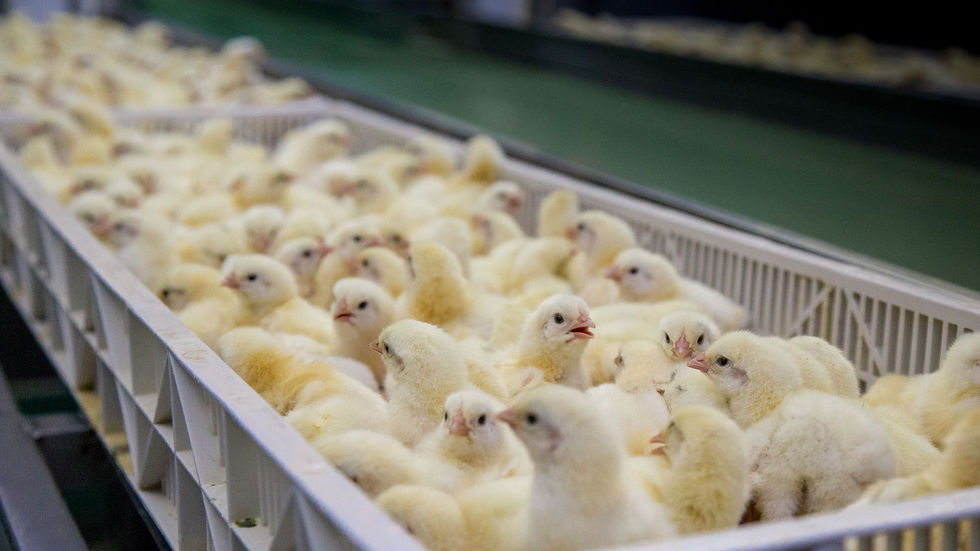
Chick quality depends on genetics, incubation, and post-hatch care. High-quality chicks are vigorous, well-formed, and have strong immune systems.
Selecting Quality Breeder Stock
Healthy breeder flocks produce eggs with better hatchability and chick quality. Regular health checks, vaccination programs, and balanced nutrition for breeders are critical.
Egg Handling and Storage
Eggs should be collected multiple times daily and stored at 55-65°F with 70-80% humidity. Avoid storing eggs for more than 7 days to prevent reduced hatchability.
Incubation Management
Turning Eggs: Rotate eggs at least 3-5 times per day to prevent embryo adhesion.
Candling: Inspect eggs at day 7 and 14 to remove infertile or dead embryos.
Hatch Window: Aim for a narrow hatch window to reduce chick dehydration and stress.
Post-Hatch Care
Immediate Access to Feed and Water: Provide chicks with feed and water within the first few hours to support early growth.
Temperature Control: Keep brooding areas at 90-95°F initially, reducing gradually as chicks grow.
Health Monitoring: Observe chicks for signs of weakness or deformities and separate any that require special care.
Training and Staff Awareness
Staff play a vital role in maintaining biosecurity and chick quality. Regular training ensures everyone understands protocols and the importance of their role.
Biosecurity Training: Teach proper hygiene, equipment handling, and disease recognition.
Record Keeping: Maintain logs of cleaning schedules, egg batches, and hatch results to identify trends or issues.
Communication: Encourage reporting of any breaches or concerns immediately.
Well-informed staff reduce human error and improve overall hatchery performance.
Using Technology to Support Hatchery Operations
Modern technology offers tools to enhance biosecurity and chick quality.
Automated Climate Control: Systems that adjust temperature and humidity based on real-time data improve consistency.
Egg Monitoring Sensors: Track egg conditions during storage and incubation to detect problems early.
Data Management Software: Analyze hatchery data to optimize processes and identify risks.
Investing in technology can lead to better outcomes and reduce manual workload.

Summary
Protecting hatcheries from disease and ensuring high chick quality requires a combination of strict biosecurity, precise environmental control, careful management, and trained staff. By implementing controlled access, sanitation, pest control, and proper egg handling, hatcheries reduce contamination risks. Maintaining stable temperature, humidity, and ventilation supports embryo development. Selecting healthy breeders, managing incubation carefully, and providing prompt post-hatch care produce strong chicks ready for growth. Training staff and using technology further strengthen hatchery operations.


Comments