
The Resurgence of Newcastle Disease in Europe: Key Drivers, Strain Evolution, and Biosecurity Gaps

Newcastle Disease (ND) has re-emerged as a significant threat to poultry health and the agricultural economy in Europe. After years of relative control, recent outbreaks have raised alarms among veterinary experts and public health officials. Understanding the factors behind this resurgence is essential to prevent further spread and protect both commercial and backyard flocks. This article explores the epidemiological drivers, the evolution of ND virus strains, the role of wild birds in transmission, and the weaknesses in regional biosecurity that have allowed the disease to regain ground.

Epidemiological Drivers Behind Newcastle Disease’s Return
Newcastle Disease is caused by avian paramyxovirus type 1 (APMV-1), which affects a wide range of bird species. The recent resurgence in Europe is linked to several epidemiological factors:
Increased Poultry Density
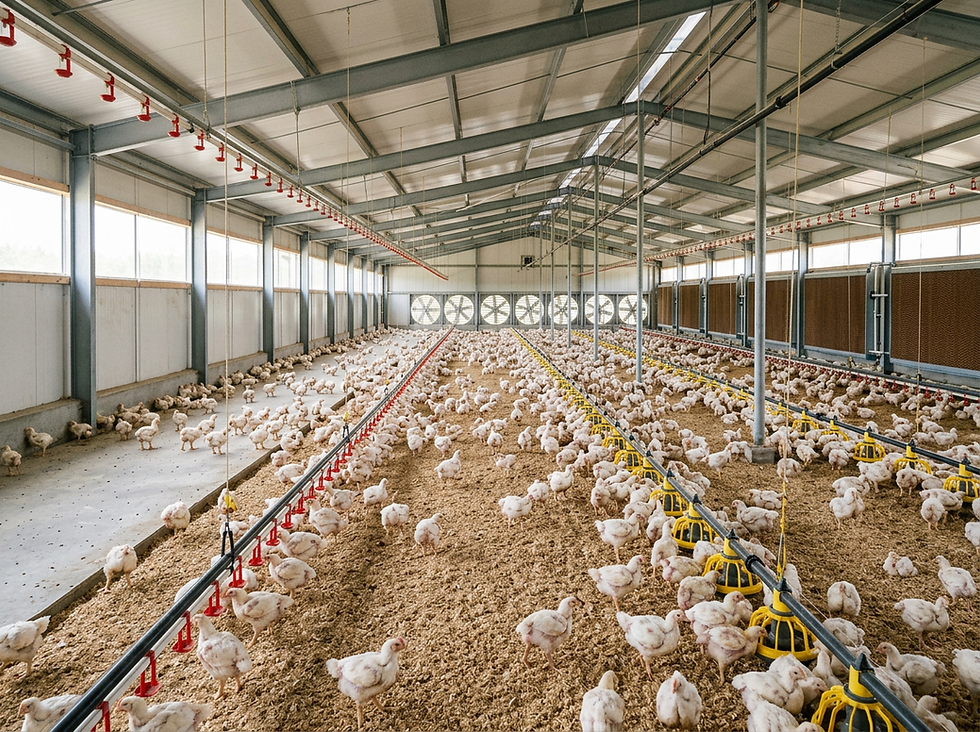
The growth of intensive poultry farming in parts of Europe has created environments where the virus can spread rapidly. High-density flocks facilitate close contact, increasing transmission rates.
Global Trade and Movement
The import and export of live birds, hatching eggs, and poultry products have introduced new virus strains into European regions. Illegal or unregulated trade routes exacerbate this risk.
Climate and Seasonal Changes
Mild winters and changing migratory patterns of wild birds have altered the timing and intensity of outbreaks. Warmer conditions may allow the virus to survive longer in the environment.
Vaccination Gaps
Inconsistent vaccination coverage, especially in backyard and small-scale farms, leaves populations vulnerable. Some regions lack access to effective vaccines or proper administration protocols.
A 2023 outbreak in northern Italy demonstrated how a combination of these factors led to rapid spread. The virus entered through imported birds, then moved quickly through dense commercial flocks with limited vaccination coverage. This case highlights the need for coordinated surveillance and control measures.
Evolution of Newcastle Disease Virus Strains and Their Impact
The ND virus is known for its genetic diversity, with multiple genotypes circulating worldwide. Recent European outbreaks have involved strains with distinct characteristics:
Virulence Variation
Some strains show increased virulence, causing higher mortality rates in poultry. For example, genotype VII strains, first identified in Asia, have been detected in Eastern Europe and linked to severe outbreaks.
Vaccine Escape Mutations
Mutations in viral surface proteins have reduced the effectiveness of existing vaccines. This evolution challenges current vaccination strategies and requires updated vaccine formulations.
Recombination Events
Genetic recombination between different ND virus strains has produced new variants with unpredictable behavior. These recombinant strains may spread more easily or evade immune responses.
A study published in 2023 analyzed virus samples from outbreaks in France and Poland, revealing the presence of genotype VII.2 strains with mutations associated with increased transmission. This evolution underscores the importance of genetic monitoring to adapt control measures promptly.
Wild Birds as Reservoirs and Vectors of Newcastle Disease
Wild birds play a critical role in the ecology of Newcastle Disease. They act as reservoirs and carriers, often without showing symptoms, facilitating virus spread across regions.
Migratory Patterns
Many wild bird species migrate across Europe and Asia, connecting distant geographic areas. This movement allows the virus to travel long distances and introduce new strains.
Species Involvement
Waterfowl, pigeons, and some passerine birds have been identified as carriers. Surveillance programs in wetlands and migratory stopovers have detected ND virus RNA in these populations.
Environmental Contamination
Wild birds can contaminate water sources, feed, and farm environments with virus-laden droppings. This indirect transmission route is especially problematic for free-range and backyard poultry.
A 2022 surveillance report from the Netherlands found ND virus in 8% of sampled wild birds during migration season. Genetic analysis linked these viruses to strains causing outbreaks in domestic poultry, confirming the transmission link.
Gaps in Regional Biosecurity Measures
Despite advances in disease control, several biosecurity weaknesses have contributed to the resurgence of Newcastle Disease in Europe:
Inadequate Farm-Level Biosecurity
Many small-scale and backyard farms lack basic biosecurity protocols such as controlled access, disinfection stations, and separation of species. This creates entry points for the virus.
Insufficient Surveillance and Reporting
Delays in detecting and reporting outbreaks reduce the effectiveness of containment. Some regions have limited veterinary resources or fragmented communication networks.
Cross-Border Coordination Challenges
ND does not respect national borders, but inconsistent policies and enforcement across countries hinder coordinated responses.
Limited Public Awareness
Farmers and the public may underestimate the risk of ND or fail to recognize early symptoms, delaying intervention.
In 2023, a cluster of outbreaks in the Balkans exposed gaps in cross-border cooperation. Different countries applied varying control measures, allowing the virus to persist and spread. This situation highlights the need for harmonized biosecurity standards and joint surveillance efforts.
Moving Forward: Strengthening Prevention and Control
The resurgence of Newcastle Disease in Europe demands a multi-faceted approach:
Enhance Vaccination Programs
Improve vaccine coverage, especially in backyard flocks, and update vaccines to match circulating strains.
Improve Surveillance Systems
Expand wild bird monitoring and integrate data sharing across countries to detect outbreaks early.
Strengthen Farm Biosecurity
Provide training and resources to farmers on practical biosecurity measures tailored to different farm sizes.
Promote Regional Cooperation
Develop unified policies and rapid response teams to manage outbreaks effectively.
By addressing these areas, Europe can reduce the impact of Newcastle Disease and protect its poultry industry.
Newcastle Disease’s return to Europe is a clear signal that vigilance must continue. Understanding the drivers behind its resurgence, monitoring evolving strains, recognizing the role of wild birds, and closing biosecurity gaps are essential steps. Stakeholders from farmers to policymakers must work together to build stronger defenses against this persistent threat.


Comments