
The Impact of Day-Old Chick Quality on Overall Flock Success

The success of any poultry operation starts on the very first day of a chick’s life. The quality of day-old chicks directly influences growth rates, health, feed efficiency, and ultimately, the profitability of the flock. Understanding how to assess and ensure high-quality chicks can save time, reduce losses, and improve overall flock performance. This article explores the key factors that define day-old chick quality and explains how these early indicators predict the success of the entire flock.
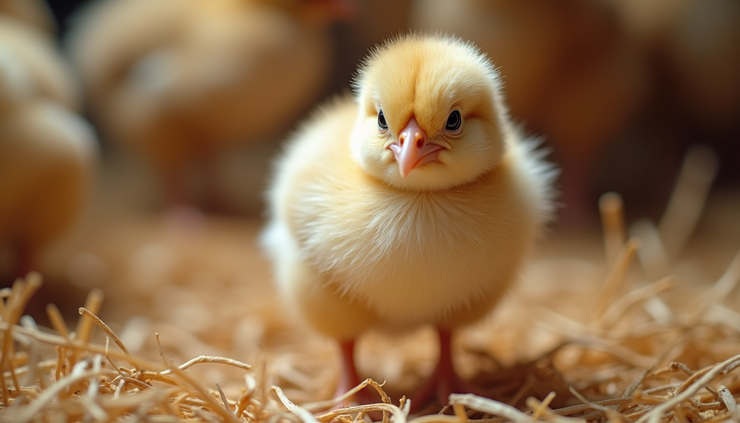
What Defines Day-Old Chick Quality?
Day-old chick quality refers to the physical and physiological condition of chicks immediately after hatching. Several characteristics determine this quality:
Physical appearance: Bright eyes, clean and dry feathers, and a well-formed beak and legs.
Weight and size: Chicks should meet breed-specific weight standards; underweight chicks often face growth challenges.
Yolk sac absorption: Proper absorption of the yolk sac provides essential nutrients and energy for the first days.
Activity level: Active and alert chicks tend to adapt better to their environment.
Navel condition: A closed, dry navel reduces the risk of infections.
Farmers and hatcheries use these criteria to grade chicks before delivery. Chicks that do not meet these standards often have lower survival rates and slower growth.
Why Day-Old Chick Quality Matters for Flock Success
The early life stage sets the foundation for the entire production cycle. Poor quality chicks can lead to several problems:
Higher mortality rates: Weak or underdeveloped chicks are more vulnerable to diseases and environmental stress.
Slower growth: Chicks that start off weak often fail to catch up, leading to uneven flock sizes.
Increased feed conversion ratio (FCR): Poor quality chicks consume more feed to gain less weight, reducing efficiency.
Greater veterinary costs: Health issues in early life can require more treatments and interventions.
By contrast, high-quality day-old chicks show better resilience, faster growth, and more uniform flock development, which translates into better economic returns.
How to Assess Day-Old Chick Quality Effectively
Producers can use several practical methods to evaluate chick quality on arrival:
Visual inspection: Check for cleanliness, feather condition, and alertness.
Weight sampling: Weigh a sample of chicks to ensure they meet breed standards.
Uniformity check: Look for consistent size and activity levels across the batch.
Navel and yolk sac examination: Inspect for signs of infection or incomplete absorption.
Behavior observation: Healthy chicks are curious and responsive to stimuli.
Some hatcheries provide detailed quality reports, including chick grading scores and health status, which help farmers plan management strategies.
Examples of Day-Old Chick Quality Impact
A poultry farm in the Midwest tracked two flocks over a six-month period. One flock received chicks with a high-quality score, while the other received chicks with lower scores due to poor navel closure and lower average weight.
The high-quality flock showed a mortality rate of 3%, compared to 8% in the lower-quality flock.
Feed conversion ratio improved by 10% in the high-quality flock.
The average market weight was 5% higher in the flock started with better chicks.
This example highlights how investing in quality chicks pays off in better flock performance and profitability.
Best Practices to Maintain Chick Quality After Arrival
Ensuring chick quality does not stop at hatchery inspection. Proper management during the first days is critical:
Provide immediate access to clean water and balanced feed to support energy needs.
Maintain optimal brooding temperature and humidity to reduce stress.
Ensure clean, dry bedding to prevent infections.
Monitor chick behavior closely to identify and address any health issues early.
Avoid overcrowding to reduce competition and stress.
Following these practices helps preserve the initial quality advantages and supports uniform flock growth.
The Role of Hatcheries in Chick Quality
Hatcheries play a crucial role in producing high-quality day-old chicks. Their responsibilities include:
Egg handling and storage: Proper storage conditions before incubation affect hatchability and chick vitality.
Incubation management: Controlling temperature, humidity, and turning frequency ensures healthy embryo development.
Hatch timing: Minimizing the time chicks spend in the hatcher before delivery reduces dehydration and stress.
Vaccination and health checks: Early vaccinations and disease screening protect chicks from common infections.
Choosing a reputable hatchery with transparent quality control measures is essential for consistent flock success.
Technology and Innovations in Chick Quality Assessment
Recent advances have introduced new tools to improve chick quality evaluation:
Automated weight and size measurement systems provide quick and accurate data.
Imaging technology can detect physical deformities or abnormalities.
Genetic testing helps select breeds with better growth and disease resistance.
Data analytics track chick quality trends and predict flock outcomes.
These technologies help producers make informed decisions and improve overall flock management.


Comments