
The Impact of Climate and Seasonal Changes on Poultry Disease Risks

Poultry farming faces many challenges, but disease outbreaks remain one of the most critical threats to productivity and animal welfare. Understanding how climate and seasonal changes influence disease risks can help farmers take timely actions to protect their flocks. This post explores the connection between weather patterns, seasonal shifts, and the spread of diseases in poultry farms, offering practical insights for better management.
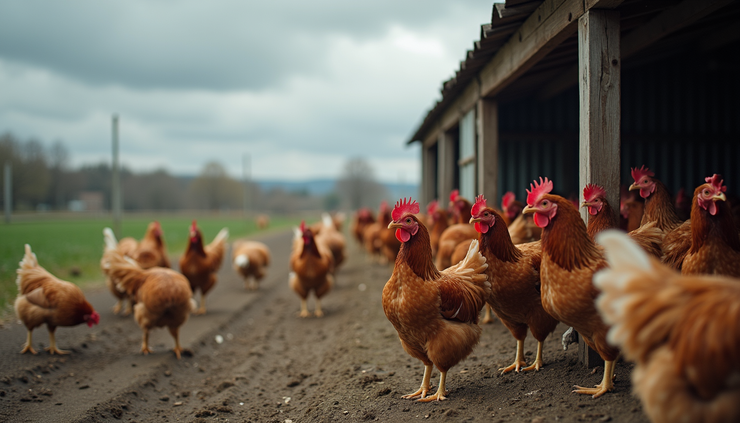
How Climate Affects Poultry Disease Risks
Climate plays a major role in shaping the environment where poultry live. Temperature, humidity, and rainfall patterns influence the survival and transmission of pathogens. Here are some key ways climate impacts disease risks:
Temperature fluctuations can stress birds, weakening their immune systems and making them more vulnerable to infections like avian influenza and Newcastle disease.
High humidity creates favorable conditions for fungal growth and respiratory diseases such as aspergillosis.
Heavy rainfall increases moisture in litter and bedding, promoting bacterial infections like salmonellosis and coccidiosis.
Dry, dusty conditions can irritate respiratory tracts, increasing susceptibility to diseases like infectious bronchitis.
Farmers in tropical regions often face year-round challenges due to consistently warm and humid conditions, while those in temperate zones see more variation with the seasons.
Seasonal Patterns and Disease Outbreaks
Seasonality affects poultry disease risks by changing environmental conditions and bird behavior. Different diseases tend to peak during specific seasons:
Winter often brings respiratory diseases. Cold air and poor ventilation in enclosed housing increase the risk of infections such as infectious bronchitis and avian influenza.
Spring and autumn are transitional seasons when fluctuating temperatures and humidity can stress birds, leading to outbreaks of coccidiosis and bacterial infections.
Summer heat can cause heat stress, lowering immunity and increasing vulnerability to diseases like fowl cholera and parasitic infestations.
Seasonal changes also affect the presence of disease vectors. For example, mosquitoes that transmit avian malaria thrive in warmer months, increasing infection risks.
Practical Steps to Manage Disease Risks Across Seasons
Farmers can reduce disease risks by adjusting management practices according to climate and seasonal conditions. Here are some effective strategies:
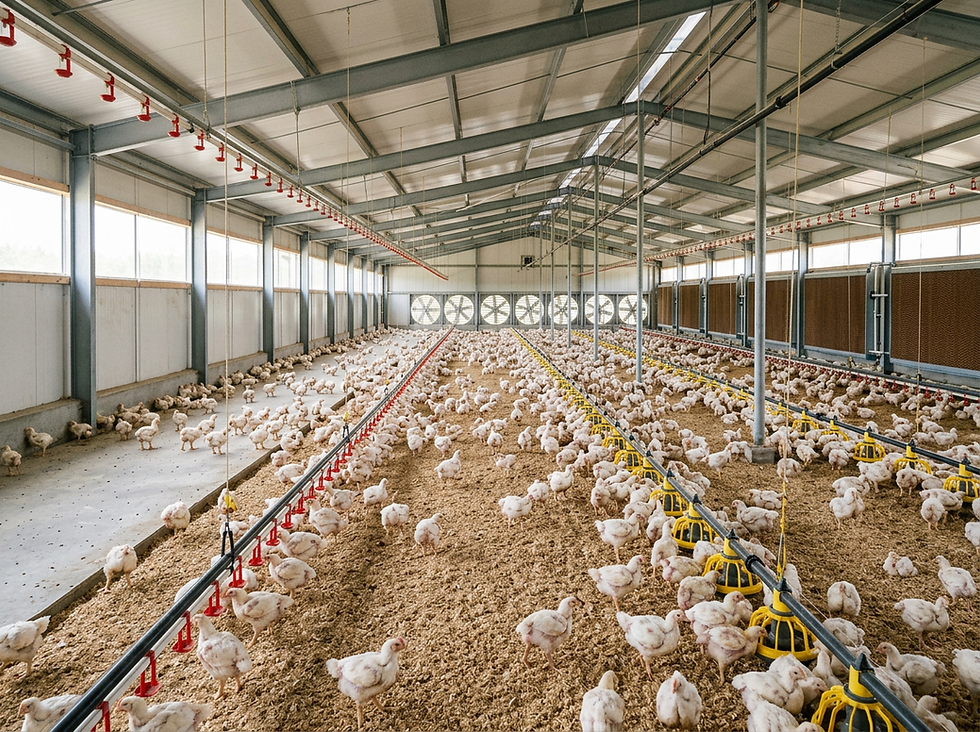
Improve ventilation during cold months to reduce moisture and ammonia buildup without exposing birds to drafts.
Maintain dry litter by regularly replacing bedding and controlling moisture, especially during rainy seasons.
Monitor flock health closely during seasonal transitions when birds are more vulnerable.
Control vectors by eliminating standing water and using insect screens or repellents in warmer months.
Adjust feeding and watering to support immune function, such as providing electrolytes during heat stress.
Vaccinate strategically based on seasonal disease patterns and local risks.
Farmers who track weather forecasts and seasonal trends can plan interventions proactively, reducing the chance of outbreaks.

Case Example: Managing Avian Influenza Risk in Cold Seasons
Avian influenza outbreaks often spike during colder months when birds are housed indoors with limited airflow. In one poultry operation in the northern United States, farmers noticed increased respiratory illness during winter. They responded by:
Installing adjustable ventilation systems to improve air exchange without causing drafts.
Increasing biosecurity measures to prevent virus introduction.
Scheduling vaccinations before the cold season.
Monitoring flock behavior and health daily for early signs of illness.
These steps helped reduce the severity and spread of avian influenza, demonstrating how understanding seasonal risks leads to better disease control.
Conclusion
Climate and seasonal changes have a clear impact on disease risks in poultry farms. Temperature, humidity, rainfall, and seasonal shifts influence pathogen survival, bird immunity, and vector activity. Farmers who recognize these patterns and adapt their management practices can protect their flocks more effectively. Monitoring weather, improving housing conditions, controlling vectors, and timing vaccinations are practical ways to reduce disease outbreaks.


Comments