
Revolutionizing Animal Health: The Role of AI in Precision Livestock Farming

Artificial intelligence is changing how farmers monitor and manage animal health. Precision livestock farming (PLF) uses AI tools to detect diseases early, improving animal welfare and farm productivity. This post explores how AI supports disease detection in livestock, practical examples of its use, and the benefits it brings to modern farming.

How AI Enhances Disease Detection in Livestock
Traditional methods of spotting illness in animals rely on farmers’ observations, which can be slow and sometimes inaccurate. AI changes this by continuously analyzing data from sensors, cameras, and other devices. These systems detect subtle changes in behavior, temperature, or movement that indicate health issues before visible symptoms appear.
AI algorithms process large amounts of data quickly, identifying patterns linked to specific diseases. For example, changes in a cow’s feeding habits or gait can signal mastitis or lameness. Early detection allows farmers to act promptly, reducing the spread of disease and minimizing treatment costs.
Key Technologies Used in Precision Livestock Farming
Several AI-driven technologies support disease detection:
Wearable sensors: Devices attached to animals measure vital signs like heart rate, temperature, and activity levels.
Computer vision: Cameras monitor animals’ behavior and physical condition, using image recognition to spot abnormalities.
Sound analysis: Microphones capture coughs or other unusual sounds that may indicate respiratory problems.
Data integration platforms: These systems combine data from multiple sources, providing a comprehensive health overview.
By combining these technologies, farmers gain a detailed understanding of each animal’s health status in real time.
Practical Examples of AI in Disease Detection
Some farms have already adopted AI tools with promising results:
A dairy farm in the Netherlands uses sensor collars to monitor cow activity and detect early signs of mastitis. The system alerts farmers when an animal’s behavior deviates from normal patterns, allowing timely treatment.
In Australia, sheep farmers employ computer vision to identify lameness by analyzing walking patterns captured on video. This reduces the need for manual inspections and improves animal welfare.
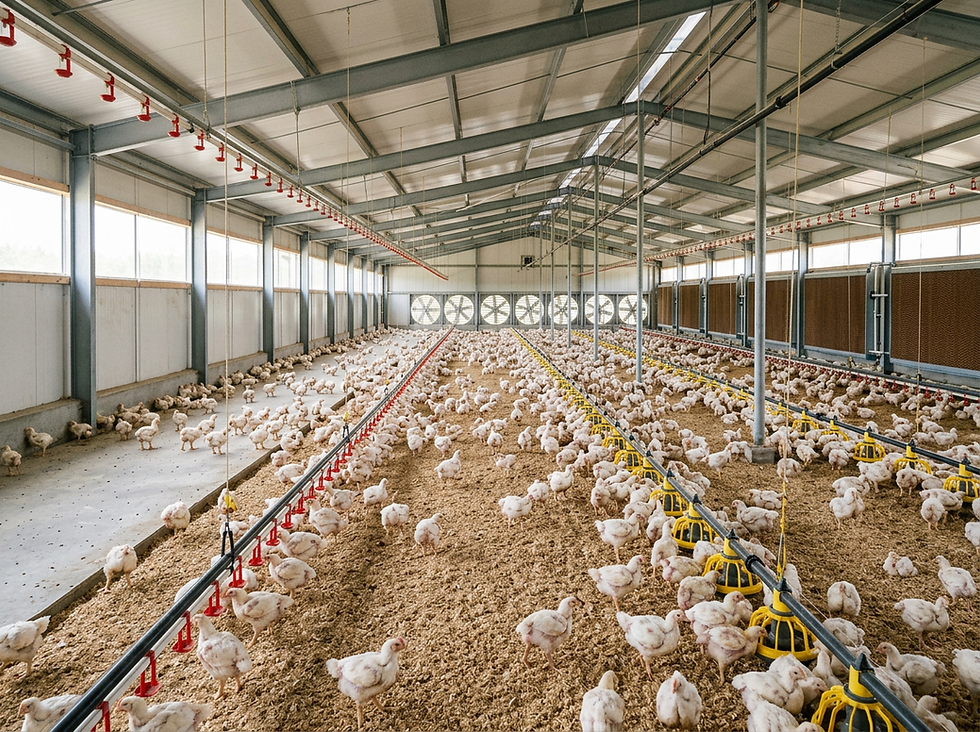
Poultry farms in the United States use sound analysis to detect respiratory diseases early. AI algorithms analyze vocalizations and trigger alerts when abnormal sounds occur.
These examples show how AI can adapt to different types of livestock and farming environments.

Benefits of AI-Driven Disease Detection for Farmers and Animals
Using AI in precision livestock farming offers several advantages:
Early intervention: Detecting diseases sooner means faster treatment and less suffering for animals.
Reduced antibiotic use: Targeted treatments lower the need for broad antibiotic applications, helping combat resistance.
Improved productivity: Healthy animals grow better and produce more, increasing farm profitability.
Labor savings: Automated monitoring reduces the time farmers spend on manual health checks.
Data-driven decisions: Farmers can make informed choices based on accurate, real-time information.
These benefits contribute to more sustainable and ethical farming practices.
Challenges and Future Directions
While AI shows great promise, some challenges remain:
Data quality and availability: Reliable sensors and consistent data collection are essential for accurate disease detection.
Cost and accessibility: High-tech solutions may be expensive for small-scale farmers.
Integration with farm management: AI tools must fit seamlessly into existing workflows to be effective.
Ongoing research aims to improve AI models, reduce costs, and develop user-friendly platforms. As technology advances, more farmers will likely adopt AI-driven precision livestock farming.
AI is transforming how farmers detect and manage diseases in livestock. By using sensors, cameras, and sound analysis, precision livestock farming enables early intervention, better animal welfare, and increased productivity. Farmers interested in adopting these technologies should start by exploring affordable sensor options and partnering with providers who offer tailored solutions. Embracing AI in animal health monitoring can lead to stronger, healthier herds and more efficient farming operations.


Comments