
Innovations Shaping the Future of Animal Health in 2026

Animal health is entering a new era in 2026, driven by emerging technologies that improve care, diagnosis, and treatment. These advances are transforming how veterinarians, farmers, and pet owners manage animal well-being. From wearable devices to artificial intelligence, the tools available today offer more precise, timely, and personalized solutions than ever before.
This post explores key technologies shaping animal health this year. Understanding these innovations helps professionals and animal lovers alike prepare for a future where technology supports healthier, longer lives for animals.

Wearable Technology for Continuous Monitoring
Wearable devices have become essential tools for tracking animal health. In 2026, smart collars, harnesses, and implants collect real-time data on vital signs, activity levels, and behavior patterns. This continuous monitoring helps detect early signs of illness or distress before symptoms become obvious.
For example, a smart collar can measure heart rate, temperature, and respiratory rate in dogs and cats. Farmers use similar devices on livestock to monitor stress and detect infections early. These devices send alerts to veterinarians or owners, enabling faster intervention.
Wearables also support chronic disease management. Animals with diabetes or arthritis benefit from ongoing monitoring that guides treatment adjustments. This technology reduces emergency visits and improves quality of life.
Artificial Intelligence Enhancing Diagnostics
Artificial intelligence (AI) is changing how veterinarians diagnose diseases. AI algorithms analyze medical images, lab results, and patient histories to identify conditions with high accuracy. This reduces diagnostic errors and speeds up decision-making.
In 2026, AI-powered tools assist in detecting cancers, infections, and genetic disorders in animals. For instance, AI software can review X-rays or ultrasound images to highlight abnormalities that might be missed by the human eye. This technology supports veterinarians in making more informed treatment plans.
AI also helps predict disease outbreaks in livestock by analyzing environmental data and animal health records. Early warnings allow farmers to take preventive measures, reducing losses and improving herd health.
Telemedicine Expanding Access to Care
Telemedicine has grown rapidly in animal health, especially after the pandemic accelerated remote consultations. In 2026, virtual veterinary visits are common for routine check-ups, behavioral advice, and follow-ups.
Telemedicine platforms connect pet owners with veterinarians through video calls and messaging. This convenience saves time and reduces stress for animals who dislike travel. It also expands access to specialists in remote or underserved areas.
Remote monitoring devices complement telemedicine by providing vets with real-time health data during virtual visits. This combination improves diagnosis and treatment without requiring in-person appointments.
Genomic Technologies for Personalized Medicine
Advances in genomics are enabling personalized medicine for animals. Genetic testing identifies inherited diseases, drug sensitivities, and traits that affect health. This information guides tailored prevention and treatment strategies.
In 2026, genomic tools help breeders select animals with desirable traits while avoiding hereditary conditions. Veterinarians use genetic profiles to choose medications and dosages that minimize side effects.
For example, genetic testing in dogs can reveal predispositions to heart disease or cancer. Early knowledge allows owners and vets to monitor at-risk animals closely and intervene sooner.
Robotics and Automation in Animal Care
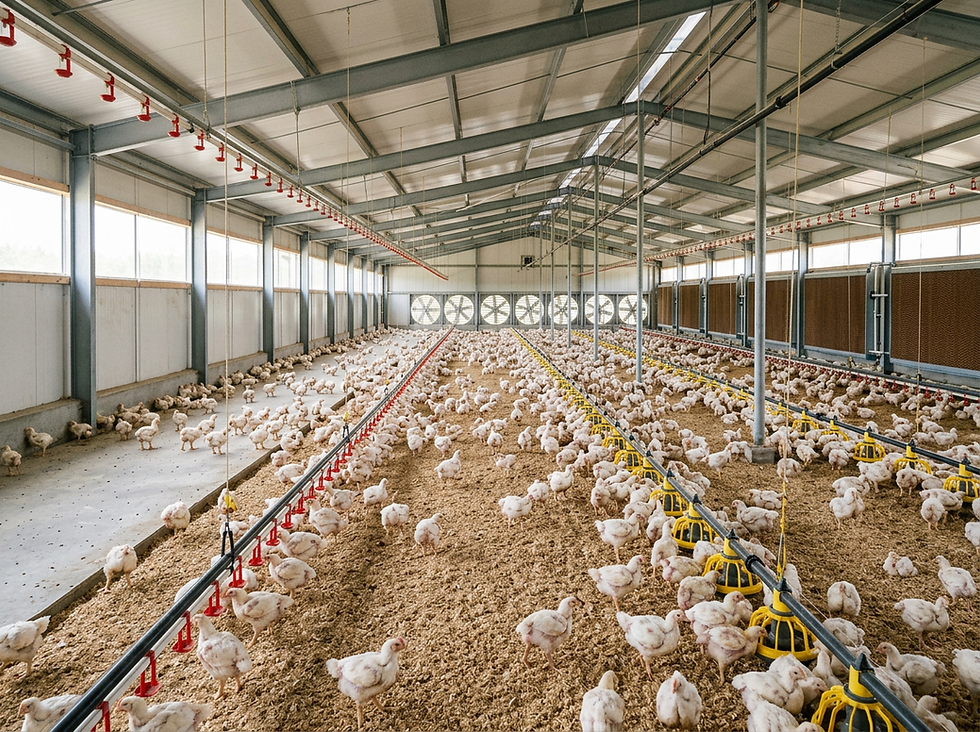
Robotics and automation are improving efficiency and precision in animal health management. Automated feeding systems, cleaning robots, and health monitoring drones reduce labor and improve hygiene in farms and shelters.
Robotic surgery is also becoming more common in veterinary medicine. These systems allow for minimally invasive procedures with greater accuracy and faster recovery times.
Drones equipped with thermal cameras monitor large herds in real time, identifying sick or injured animals quickly. This technology helps farmers respond promptly and reduce disease spread.
Data Integration and Analytics for Better Decisions
Collecting data is only useful if it can be analyzed effectively. In 2026, integrated platforms gather information from wearables, lab tests, imaging, and farm management systems. Advanced analytics turn this data into actionable insights.
Veterinarians and farmers use dashboards to track animal health trends, identify risks, and evaluate treatment outcomes. This data-driven approach supports proactive care and resource allocation.
For example, analytics can reveal patterns of illness linked to environmental factors like temperature or feed quality. Addressing these issues improves overall herd health and productivity.
Ethical Considerations and Animal Welfare
As technology advances, ethical considerations remain crucial. Ensuring data privacy, avoiding unnecessary interventions, and maintaining animal welfare are top priorities.
Technologies must be designed with animal comfort and safety in mind. For instance, wearables should be lightweight and non-intrusive. Decisions based on AI should involve human oversight to avoid errors.
In 2026, the focus is on using technology to support humane treatment and improve quality of life, not just efficiency or profit.
Technology is reshaping animal health in practical, meaningful ways. From continuous monitoring to personalized medicine, these tools help detect problems earlier, tailor treatments, and improve outcomes. The future of animal care will rely on combining human expertise with smart technology to support healthier animals everywhere.


Comments