
Effective Strategies for Training Poultry Farm Workers on Biosecurity Practices

Biosecurity is the frontline defense against disease outbreaks in poultry farms. Training workers on biosecurity practices is essential to protect flock health, ensure farm productivity, and prevent economic losses. Yet, many farms struggle to deliver effective training that sticks. This guide offers practical strategies to help poultry farm managers and trainers build strong biosecurity habits among their workers.

Understand the Importance of Biosecurity
Before training begins, workers need to grasp why biosecurity matters. Explain how diseases like avian influenza or Newcastle disease spread quickly and can devastate flocks. Use real examples or local outbreaks to make the risk clear. When workers understand the consequences, they are more likely to follow protocols carefully.
Key points to cover:
How pathogens enter farms (people, equipment, wild birds)
Impact of disease on bird health and farm income
Role of each worker in preventing disease spread
Design Clear and Simple Training Materials
Many poultry farm workers have varied education levels and language backgrounds. Use simple language and visuals to make training accessible. Avoid jargon and long explanations. Instead, focus on clear instructions and demonstrations.
Tips for materials:
Use pictures or diagrams showing correct procedures
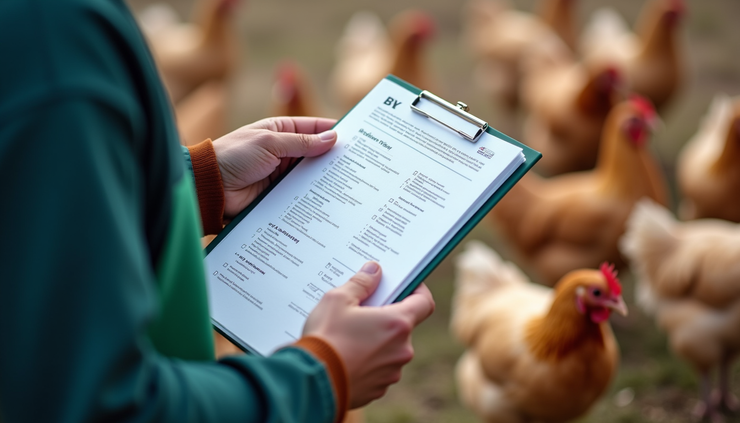
Create step-by-step checklists for daily tasks
Translate materials into workers’ native languages if needed
Use videos or live demonstrations to reinforce learning
Conduct Hands-On Training Sessions
Practical training helps workers remember and apply biosecurity measures. Organize sessions where workers practice key tasks such as:
Proper handwashing and use of sanitizers
Disinfecting boots and equipment
Correct use of protective clothing
Controlled movement between poultry houses
Supervise and provide feedback during practice to correct mistakes early. Repeat sessions regularly to reinforce habits.
Establish Routine and Accountability
Biosecurity is effective only when practiced consistently. Set daily routines that include biosecurity steps and make them part of the work culture. For example:
Require workers to disinfect boots before entering poultry houses every day
Assign responsibility for cleaning shared tools after use
Use logs or checklists to track compliance
Encourage supervisors to monitor and remind workers gently but firmly. Recognize and reward good biosecurity behavior to motivate the team.
Use Real-Life Scenarios and Role-Playing
Role-playing exercises help workers understand how to respond to biosecurity challenges. Create scenarios such as:
Handling a sick bird safely
Responding to a visitor arriving at the farm
Managing equipment that moves between farms
These activities build confidence and problem-solving skills. They also highlight the importance of following protocols even under pressure.
Provide Ongoing Support and Refresher Training
Biosecurity training is not a one-time event. Regular refresher sessions help maintain awareness and update workers on new risks or procedures. Use short meetings, posters, or toolbox talks to keep biosecurity top of mind.
Encourage workers to ask questions and share observations. This two-way communication helps identify gaps and improve practices.
Measure Training Effectiveness
Track the impact of training by monitoring:
Compliance rates with biosecurity protocols
Incidence of disease outbreaks or health issues
Worker feedback and knowledge retention
Use this data to adjust training methods and materials. Continuous improvement ensures training stays relevant and effective.


Comments