
Effective Litter Management Strategies to Minimize Disease Risks

Managing litter effectively is a critical step in reducing disease pressure in animal housing and agricultural environments. Poor litter management can lead to the buildup of pathogens, creating a breeding ground for diseases that affect animal health and productivity. This post explores practical strategies to manage litter in ways that minimize disease risks, improve hygiene, and support overall animal welfare.

Understanding the Risks of Poor Litter Management
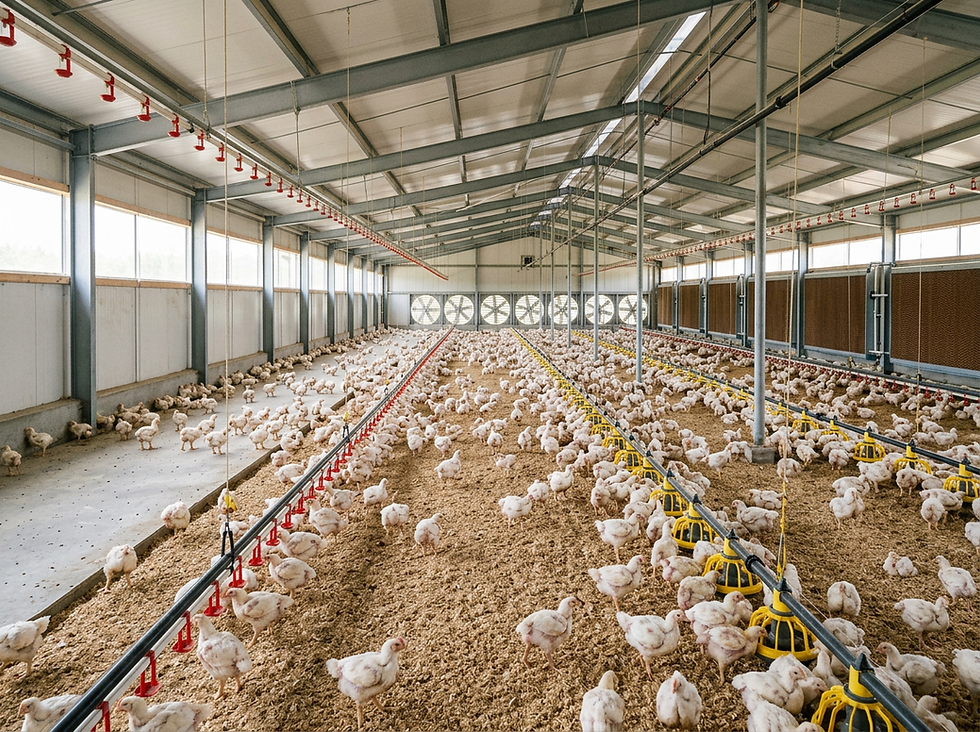
Litter serves as bedding material and absorbs moisture, but when it becomes damp or contaminated, it fosters the growth of bacteria, fungi, and parasites. These pathogens can cause respiratory issues, footpad dermatitis, and other infections in animals. For example, in poultry houses, wet litter increases the risk of coccidiosis and bacterial infections like Salmonella.
The main factors that contribute to disease pressure in litter include:
Excess moisture from spills, leaks, or animal waste
Inadequate ventilation leading to high humidity
Overcrowding causing rapid litter contamination
Poor litter material choice that retains moisture
Addressing these factors with targeted litter management techniques can significantly reduce disease outbreaks.
Choosing the Right Litter Material
Selecting appropriate litter material is the foundation of good litter management. The ideal material should:
Absorb moisture efficiently
Provide good cushioning for animals
Be easy to clean or replace
Resist compaction and mold growth
Common litter materials include wood shavings, rice hulls, straw, and sand. Wood shavings are popular due to their absorbency and softness, but they must be kept dry to prevent mold. Sand offers excellent drainage but can be abrasive. Straw is comfortable but tends to mat down and retain moisture.
Tip: Test different materials in your environment to find the best balance of absorbency and durability.
Maintaining Proper Moisture Levels
Moisture control is the most important factor in reducing disease risk from litter. Wet litter encourages pathogen growth and ammonia buildup, which harms respiratory health.
Strategies to maintain proper moisture include:
Regularly removing wet or soiled litter patches
Using absorbent materials that wick moisture away
Ensuring waterers and feeders do not leak
Improving drainage under the litter area
Monitoring humidity and ventilation to keep air dry
For example, poultry producers often use fans and ventilation systems to reduce humidity and dry litter quickly. In swine facilities, slatted floors can help separate animals from waste, reducing litter moisture.
Regular Cleaning and Replacement
Routine cleaning and litter replacement prevent the accumulation of pathogens. The frequency depends on animal density, litter type, and environmental conditions.
Best practices include:
Removing top layers of litter daily or every few days
Completely replacing litter between production cycles
Disinfecting the housing area before adding fresh litter
Using mechanical equipment like scrapers or blowers for large areas
A study in broiler houses showed that replacing litter every 6 weeks reduced bacterial load by over 50%, improving bird health and growth rates.
Using Additives to Improve Litter Quality
Certain additives can enhance litter properties and reduce disease risk. These include:
Litter amendments such as acidifiers to lower pH and inhibit bacterial growth
Enzymes that break down organic matter and reduce ammonia
Probiotics that promote beneficial microbes in the litter
Absorbents like zeolite or diatomaceous earth to control moisture and odors
For example, adding acidifiers to poultry litter has been shown to reduce ammonia emissions by up to 70%, improving air quality and reducing respiratory problems.
Monitoring and Managing Environmental Conditions
Environmental factors like temperature, airflow, and humidity directly affect litter condition. Monitoring these helps maintain optimal litter quality.
Key steps include:
Installing sensors to track temperature and humidity
Adjusting ventilation rates based on animal activity and weather
Avoiding overcrowding to reduce moisture buildup
Scheduling litter management tasks during dry, warm periods
By controlling the environment, producers can keep litter dry and less hospitable to pathogens.

Training Staff on Litter Management Practices
Effective litter management requires consistent effort and knowledge. Training staff on the importance of litter hygiene and proper techniques ensures better outcomes.
Training should cover:
Identifying signs of wet or contaminated litter
Proper cleaning and replacement schedules
Safe use of litter additives and disinfectants
Monitoring animal health related to litter conditions
Engaged and informed staff can spot problems early and maintain litter quality, reducing disease risks.
Summary
Effective litter management reduces disease pressure by controlling moisture, selecting suitable materials, maintaining cleanliness, and managing environmental conditions. Using additives and training staff further supports these efforts. By adopting these strategies, producers can improve animal health, reduce infections, and enhance productivity.


Comments