
Effective Coccidiosis Control Strategies for Poultry in 2026

Coccidiosis remains one of the most challenging diseases in poultry farming worldwide. This parasitic infection affects the intestinal tract of birds, leading to poor growth, reduced feed efficiency, and sometimes death. As poultry producers face evolving strains of coccidia and changing regulations on drug use, effective control strategies must adapt. This article explores practical and proven methods to manage coccidiosis in 2026, helping poultry farmers protect their flocks and maintain productivity.
Understanding Coccidiosis and Its Impact
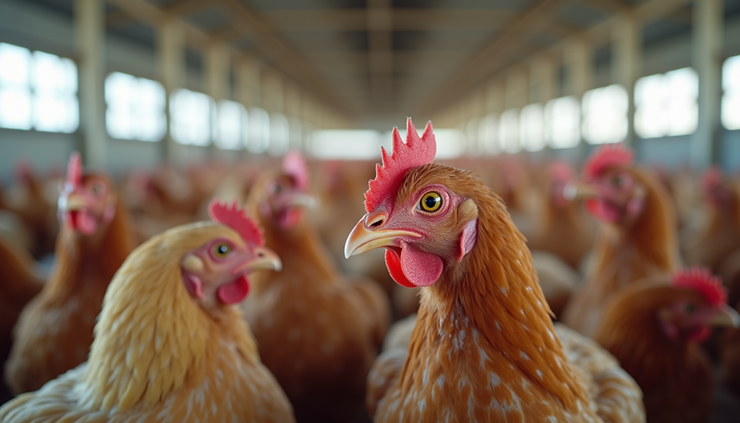
Coccidiosis is caused by protozoan parasites of the genus Eimeria. These parasites invade the intestinal lining, causing lesions and inflammation. The disease spreads rapidly in crowded or unsanitary conditions, making it a constant threat in commercial poultry operations.
The economic impact is significant. Infected birds eat less, grow slower, and convert feed inefficiently. Severe cases can cause mortality, leading to direct losses. Indirectly, coccidiosis increases the cost of production due to medication and management efforts.
Key Strategies for Controlling Coccidiosis in 2026
1. Improved Biosecurity and Management Practices
Preventing the introduction and spread of coccidia starts with strict biosecurity. This includes:
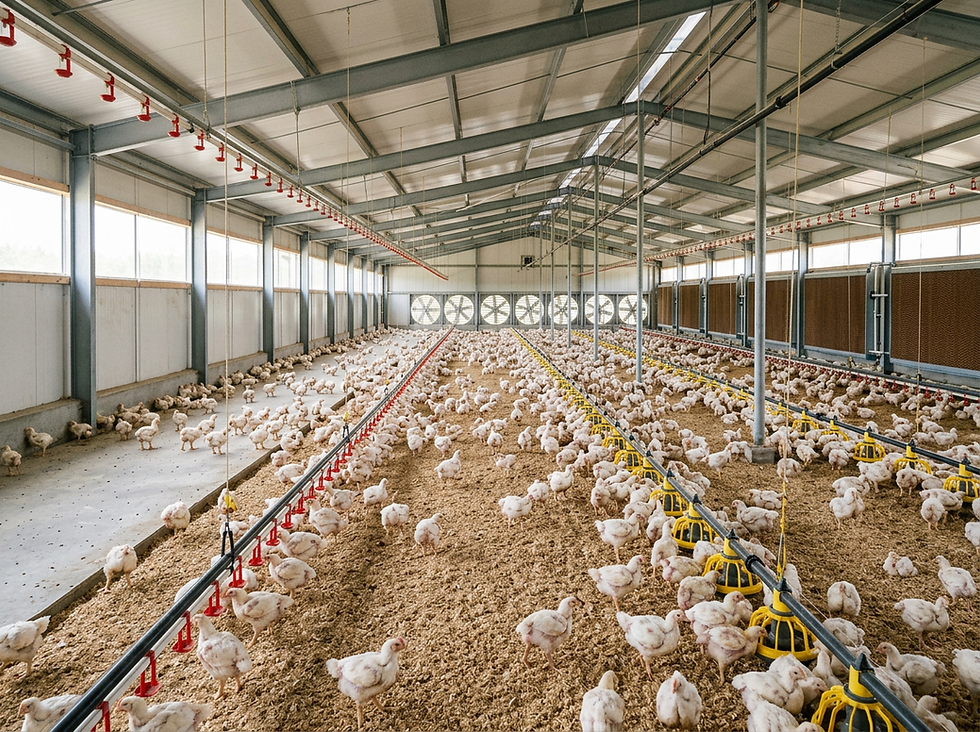
Regular cleaning and disinfection of poultry houses to remove oocysts (the infectious form of coccidia).
Controlling moisture levels since wet litter promotes parasite survival.
Limiting bird density to reduce stress and contact between infected and healthy birds.
Proper ventilation to maintain dry and fresh air inside poultry houses.
These measures reduce the parasite load in the environment and lower the risk of outbreaks.
2. Use of Vaccines
Vaccination has become a cornerstone in coccidiosis control. Live vaccines containing attenuated or non-pathogenic Eimeria strains stimulate immunity without causing disease. In 2026, vaccines are more targeted and easier to administer.
Spray or gel vaccines applied to day-old chicks ensure early protection.
Vaccination programs tailored to specific Eimeria species prevalent in the region improve effectiveness.
Vaccines reduce reliance on anticoccidial drugs and help manage drug resistance.
3. Strategic Use of Anticoccidial Drugs
Anticoccidial drugs remain important but must be used wisely to avoid resistance. Strategies include:
Rotating drugs with different modes of action to prevent resistance buildup.
Using drug combinations to enhance efficacy.
Applying drugs during critical periods such as early growth stages when birds are most vulnerable.
Monitoring drug sensitivity through laboratory testing helps guide choices.
4. Nutritional Support to Boost Immunity
Good nutrition supports the bird’s immune system to fight infections. Key nutritional strategies include:
Supplementing diets with vitamins A, E, and selenium to enhance immune response.
Adding probiotics and prebiotics to improve gut health and reduce pathogen colonization.
Using feed additives like essential oils or plant extracts that have natural anticoccidial properties.
These approaches complement vaccines and drugs, creating a multi-layered defense.

5. Monitoring and Early Diagnosis
Regular monitoring helps detect coccidiosis before it causes severe damage. Techniques include:
Fecal sampling to count oocysts and assess infection levels.
Observation of bird behavior and droppings for signs of illness.
Using rapid diagnostic kits for on-site detection.
Early diagnosis allows timely intervention, reducing losses.
6. Environmental Control and Litter Management
Managing the environment where birds live is crucial:
Frequent litter replacement or treatment to reduce oocyst survival.
Using litter amendments such as hydrated lime or acidifiers to lower pH and kill parasites.
Maintaining dry conditions to prevent oocyst sporulation.
Effective litter management breaks the parasite’s life cycle.
Case Study: Successful Coccidiosis Control in a Commercial Farm
A poultry farm in the Midwest implemented a combined approach in 2025. They introduced a live vaccine program for day-old chicks, rotated anticoccidial drugs every six weeks, and improved litter management by adding acidifiers. The farm also enhanced biosecurity by limiting visitor access and increasing cleaning frequency.
Within one production cycle, the farm reported a 40% reduction in coccidiosis cases and improved feed conversion by 5%. Mortality rates dropped, and overall flock health improved. This example shows how combining strategies works better than relying on a single method.
Looking Ahead: Trends in Coccidiosis Control
Research continues to develop new tools:
Genetic selection for birds with natural resistance to coccidiosis.
Advanced vaccines using recombinant technology for broader protection.
Precision farming tools to monitor flock health and environmental conditions in real time.
Adopting these innovations will help poultry producers stay ahead of coccidiosis challenges.


Comments